

Clatterbridge Private Clinic has marked a major milestone in cancer care, treating its first patient with Tarlatamab, an innovative immunotherapy designed for patients with small-cell lung cancer (SCLC), one of the most aggressive forms of cancer.
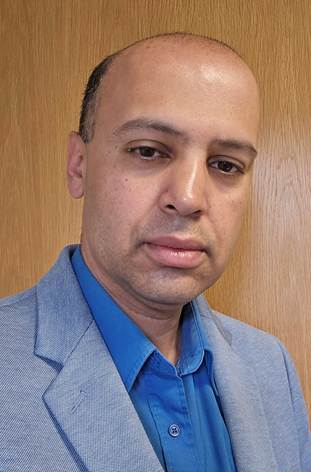
The treatment, administered at the end of April 2026 by Dr Niladri Ghosal, Consultant Clinical Oncologist specialising in the treatment of lung cancer, positions Clatterbridge Private Clinic among the first few centres in the UK, to offer this promising new therapy to patients.
A new hope for an aggressive cancer
Small-cell lung cancer is widely regarded as one of the most aggressive cancers, often progressing rapidly and becoming difficult to treat once it has spread (metastasised). For many patients, prognosis has historically been poor, with survival often less than 12 months following relapse.
While first-line treatments such as chemotherapy can initially be effective, the disease frequently returns within 6–8 months, at which point treatment options become limited.
Tarlatamab represents a significant breakthrough. Recently approved by the UK Medicines and Healthcare products Regulatory Agency (MHRA), but not yet approved to use through the NHS, the drug has demonstrated remarkable results in clinical trials.
The DeLLphi-304 study showed that patients treated with Tarlatamab had a median overall survival of 13.6 months, compared to 8.3 months for those receiving standard chemotherapy, an improvement described by clinicians as previously unheard of in this setting.
How Tarlatamab works
Tarlatamab is a novel “bi-specific” immunotherapy. Unlike traditional treatments, it works by engaging the body’s own immune system to fight cancer.
The drug effectively acts with “two hands”:
- One binds to cancer cells
- The other binds to immune cells (T-cells)
By bringing these cells together, Tarlatamab enables the immune system to directly attack and destroy cancer cells.
A patient journey driven by hope
The patient receiving treatment was first diagnosed with small-cell lung cancer in June 2025 after becoming seriously unwell within a matter of weeks. Following emergency treatment with chemotherapy and immunotherapy, the patient initially responded well, however the cancer later relapsed and continued to progress despite further treatment.
By January 2026, the patient and their family began exploring alternative options after realising the limitations and significant side effects associated with chemotherapy. After reading about Tarlatamab and the encouraging results emerging from clinical trials, they approached Dr Niladri Ghosal to discuss whether the treatment could be an option.
Although the therapy is not currently available through the NHS, the patient’s good overall health and ability to tolerate previous treatments meant he could be considered a suitable candidate for the treatment through private care.
The family said they were incredibly grateful for the speed, dedication and support shown by Dr Ghosal, the team at Clatterbridge Private Clinic, and the wider medical teams involved in helping them access the treatment within a very limited timeframe. They had just a few weeks to access this treatment due to the fact small cell lung cancer is so aggressive, so expressed their gratitude for the proactivity from all in enabling them access for this treatment to go ahead.
They described the opportunity to receive Tarlatamab as providing “a genuine, ongoing sense of hope” at a time when few other treatment options remained available, which has made a huge difference to them. They also expressed hope that by them receiving this treatment positively, it could be used as test case for doctors to learn more and aid in making Tarlatamab and other innovative, immune-based treatments more widely accessible in the future and continue advancing the treatment of small-cell lung cancer for other patients.
The patient has now successfully received the first stage of treatment and will continue to be monitored closely as treatment progresses every two weeks.
Leading the way in access
Despite its promise, Tarlatamab is not yet available through NICE approval or the NHS. Clatterbridge Private Clinic is proud to offer access to this treatment for private patients while wider availability is being evaluated.
The first patient began their treatment journey after opting for private care in mid-April 2026, following a rapid regulatory and commissioning process that began in mid-March.
Consultant-led innovation
The treatment was led by consultant oncologist Dr Niladri Ghosal, who has been instrumental in bringing this therapy to the clinic.
Dr Ghosal highlighted both the significance of the treatment and the collaborative effort behind its introduction:
“I would like to thank the team of pharmacists, nurses, both private and NHS, and Duncan, General Manager of the Clatterbridge Private Clinic, for supporting the start of this treatment and helping get it through and commissioning this drug. I also thanks colleagues from the drug manufacturer AMGEN for their help and support”
He also emphasised the courage of the first patient:
“The patient is really bravely facing a very difficult diagnosis and wants to continue the fight, and we are going to work closely with the patient and the family at every step in the journey.”
Care, safety and monitoring
As with many advanced immunotherapies, Tarlatamab can present challenges with side effects. Patients receiving the treatment are carefully monitored, particularly during the first administration, where observation for up to 24-48 hours ensures safety and rapid response to any reactions.
Expanding access for patients
Dr Ghosal is hopeful that access to Tarlatamab will expand in the future, but stresses the importance of offering it now to eligible patients:
“I would like to treat more patients with this new treatment through the private clinic for as long as this is not available in the NHS, so we can help all patients. I would urge all patients who would like to access the treatment to contact us through the private clinic so that we can provide this excellent treatment.”
Patients, families, and healthcare professionals seeking more information about Tarlatamab or treatment options for small-cell lung cancer should get in touch with Dr Ghosal and Clatterbridge Private Clinic.
To learn more or to discuss suitability for this treatment, contact Clatterbridge Private Clinic or speak directly with Dr Niladri Ghosal and the specialist team for expert guidance, support, and personalised care.